Expert Guide
Air Purifier vs Dehumidifier: Which Do You Need?
Air Purifier vs Dehumidifier: Which Do You Need?

Written By
David L.
Expert Review
Sarah K.
Fact Checked
James D.
Some links on this page may be affiliate links (including Amazon UK and AWIN). If you purchase through them, we may earn a commission at no extra cost to you. This helps support independent reviews. How we review.
They Solve Completely Different Problems
This is the single most common confusion in the air quality space. An **air purifier** cleans the air — it removes particles, allergens, pollutants, and odours by passing air through filters. A **dehumidifier** dries the air — it reduces moisture levels by extracting water vapour and collecting it in a tank. If your problem is sneezing, itchy eyes, or you can smell pollution from the road outside, you need an air purifier. If your problem is condensation on windows, damp patches on walls, or a generally musty feeling in the home, you need a dehumidifier. If your home has mould, you almost certainly need both: the dehumidifier to remove the moisture that causes mould to grow, and the air purifier to capture the airborne spores that the existing mould is already releasing. Running only a purifier in a damp room is futile — you are catching spores while the source produces more. Running only a dehumidifier without a purifier leaves the existing spores in the air.
Air Purifier vs Dehumidifier: Quick Reference
Choose based on your primary problem.
| Problem | Solution | Device |
|---|---|---|
| Allergies / Hay Fever | Remove pollen & dust | Air Purifier |
| Condensation on windows | Reduce humidity | Dehumidifier |
| Mould on walls | Fix moisture source | Both |
| Cooking / Pet smells | Remove odour particles | Air Purifier |
| Damp clothes smell | Dry air faster | Dehumidifier |
| Traffic pollution indoors | Filter NO2 and PM2.5 | Air Purifier |
| Musty basement / cellar | Reduce moisture | Dehumidifier (+ Purifier) |
The UK Damp Problem
UK housing stock is some of the oldest in Europe, with millions of Victorian and Edwardian terraces that were never designed for modern insulation standards. Retrofitting double glazing and loft insulation — while excellent for energy bills — dramatically reduces natural ventilation, trapping moisture indoors. This is why damp and mould are so widespread in British homes. The government's own data shows that around 6% of rented properties have damp problems. If you are in this category, address the moisture first with a dehumidifier (target 40-60% relative humidity), fix any structural causes (leaks, rising damp), and then run an air purifier to manage the residual spore load in the air. A cheap hygrometer (£10-15 on Amazon) will tell you your current humidity level within minutes.
Purifier vs Dehumidifier FAQs
Can an air purifier replace a dehumidifier?expand_more
Can I run an air purifier and dehumidifier at the same time?expand_more
Do I need a dehumidifier if I have double glazing?expand_more
Summary
For allergies and pollution — buy an **air purifier**. For condensation and damp — buy a **dehumidifier**. For mould — buy **both**. When in doubt, measure your humidity with a hygrometer first; it will tell you immediately which problem you have.
Related Guides
Air Purifier vs Air Conditioner: Are They the Same Thing?
Many people assume an air conditioning unit cleans the air. It doesn't. Here's the critical difference — and whether you need both in a UK home.
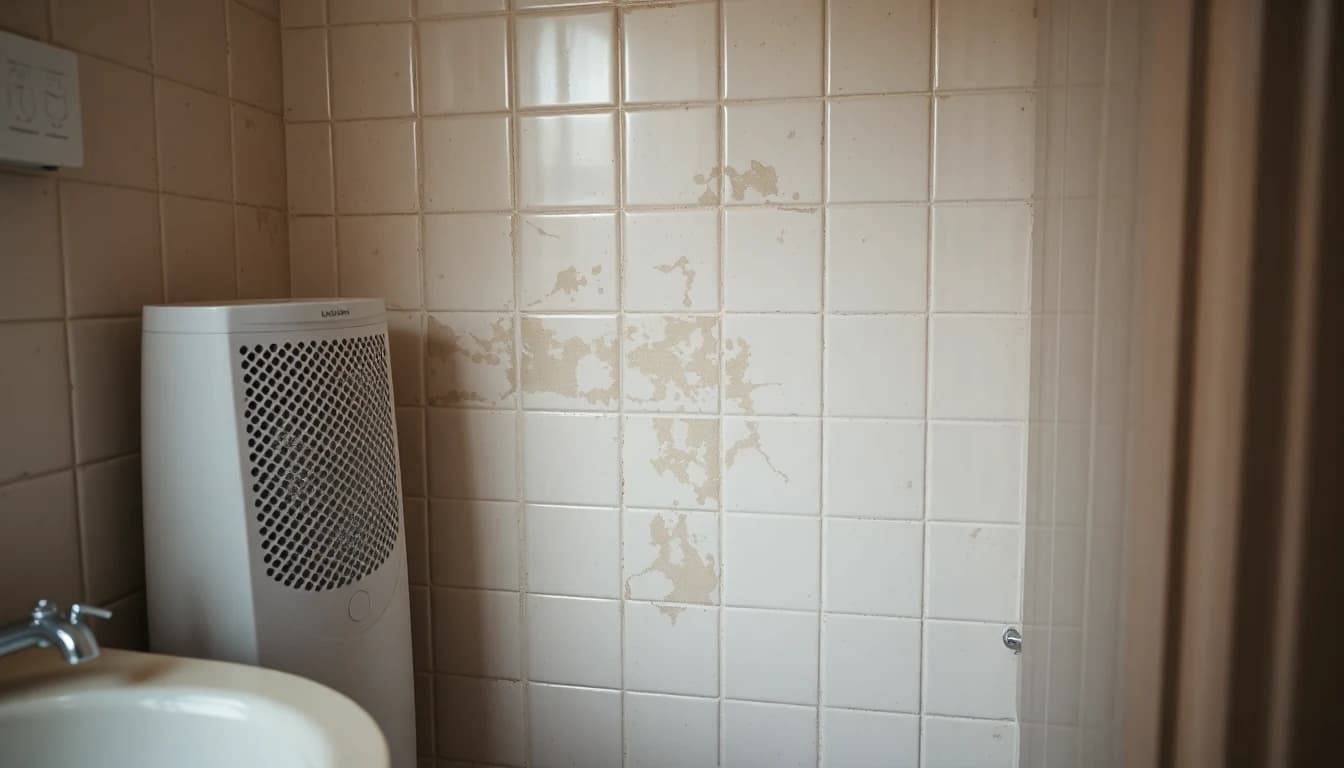
Do Air Purifiers Help with Damp and Mould?
Mould is a major issue in UK homes. Can an air purifier fix it, or do you need a dehumidifier? We explain the difference.
Best Air Purifier for Mould in a Bedroom UK (2026)
Waking up congested in a damp bedroom? Mould spores in your bedroom air are a serious health risk. Here's how to protect yourself while you sleep.
Are Air Purifiers Actually Worth It in the UK?
With relatively clean outdoor air compared to some countries, do British homes really need air purifiers? The data might surprise you.
Continue Reading
Related Guides
Problem Hubs
Was this page helpful?
Ready to start filtering?
Our data lab is updated weekly with the latest UK air quality models. Supporting our work ensures we stay independent.