Mould & Spores
Mould releases microscopic spores (2-10 microns) that trigger allergies and asthma. While a purifier cannot kill mould on walls, it captures airborne spores to stop them spreading and landing elsewhere.
Health DisclaimerAir purifiers capture airborne spores but cannot remove mould growing on surfaces. You must treat the damp source first.
People often search for the best air purifier for mould and damp in the UK, for mould spores in bedroom or bathroom, and for purifiers that work alongside a dehumidifier. The models below are chosen for high airflow and HEPA-13 filtration so they can catch spores before they settle. We rank them by CADR, filter life, and value for UK buyers.
straightenRoom Check
Target Performance
Recommended CADR for 4 air changes per hour in a 20m² room.
psychologyQuick Answer
- check_circleHigh Airflow (CADR) is critical to catch spores before they settle.
- check_circleHEPA-13 filters capture 99.97% of particles down to 0.3 microns.
- check_circleHumidity control (Dehumidifier) is often needed alongside a purifier.
Winning Formula
"Target 4+ Air Changes Per Hour (ACH) to keep aerial spore counts low."
Top Recommendations
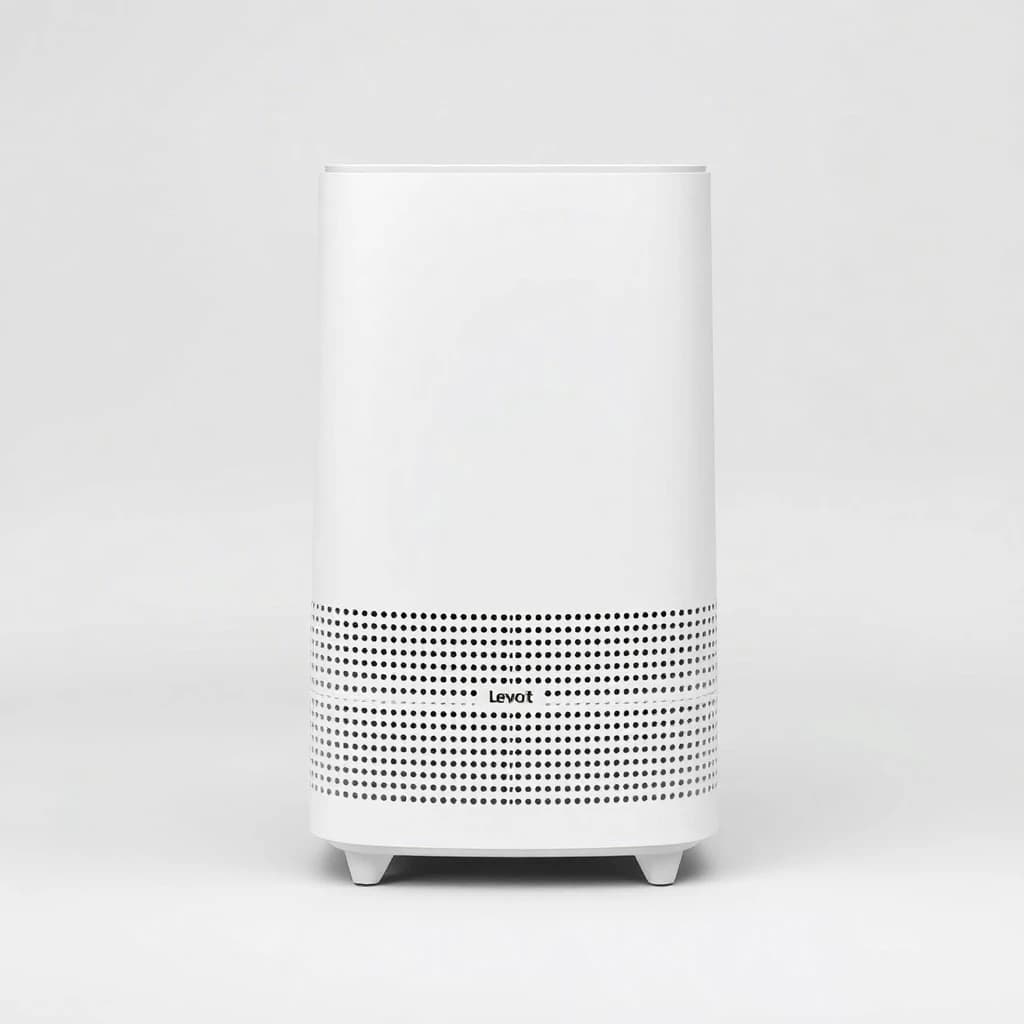
Solid all-rounder
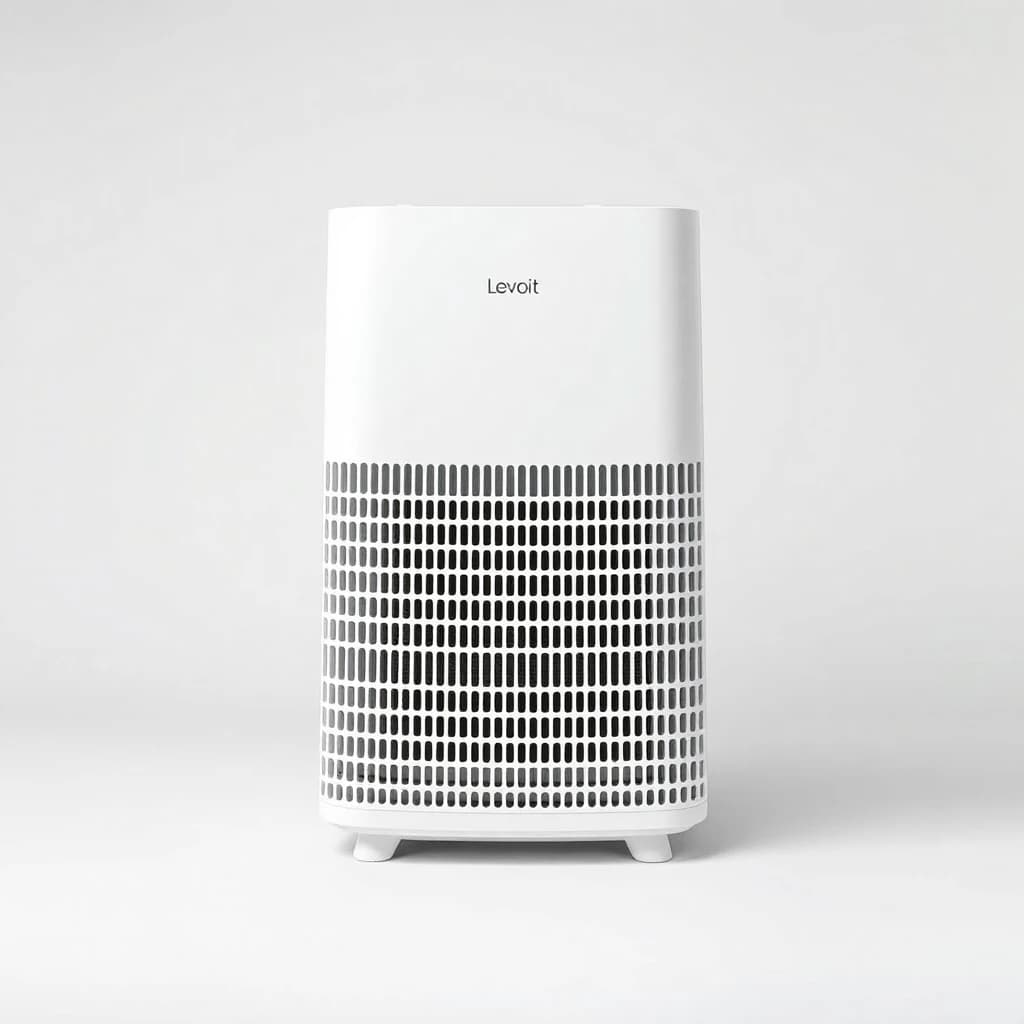
Excellent power reserve
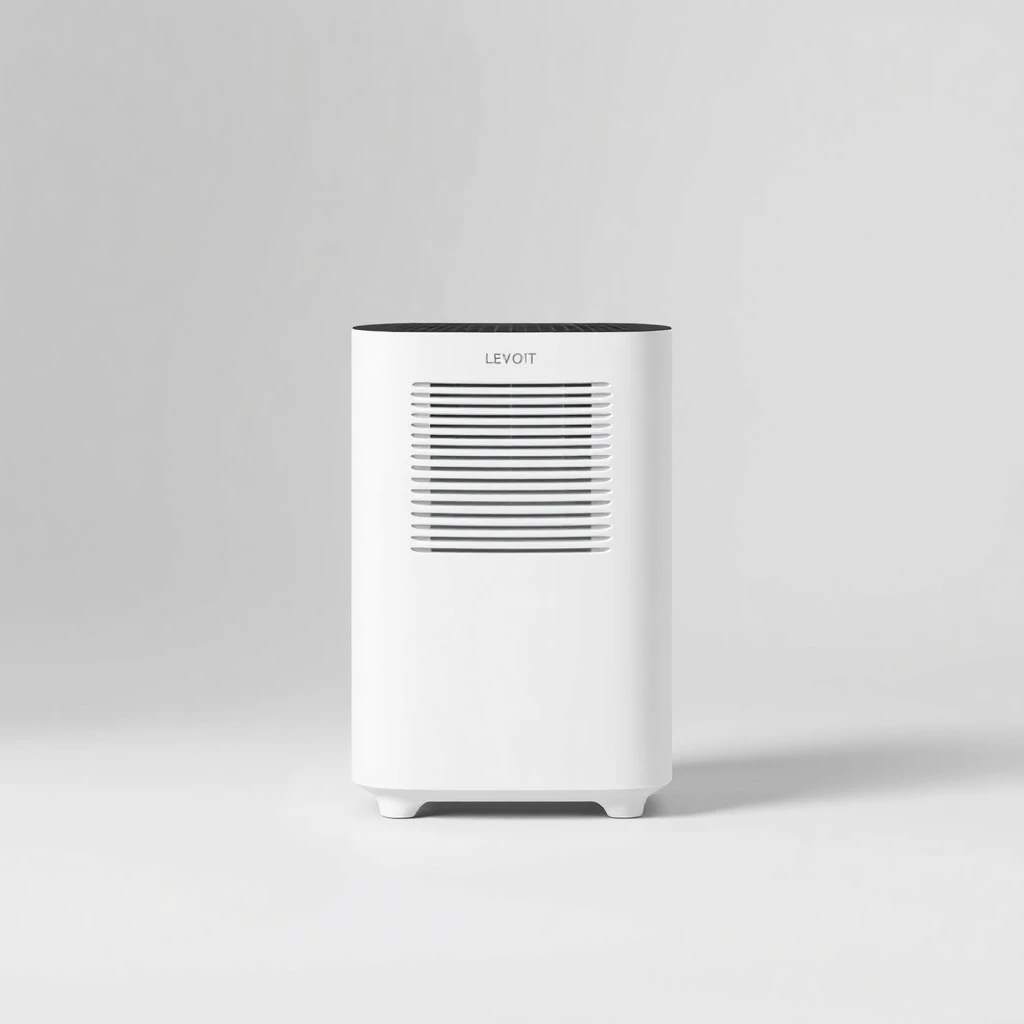
Solid all-rounder
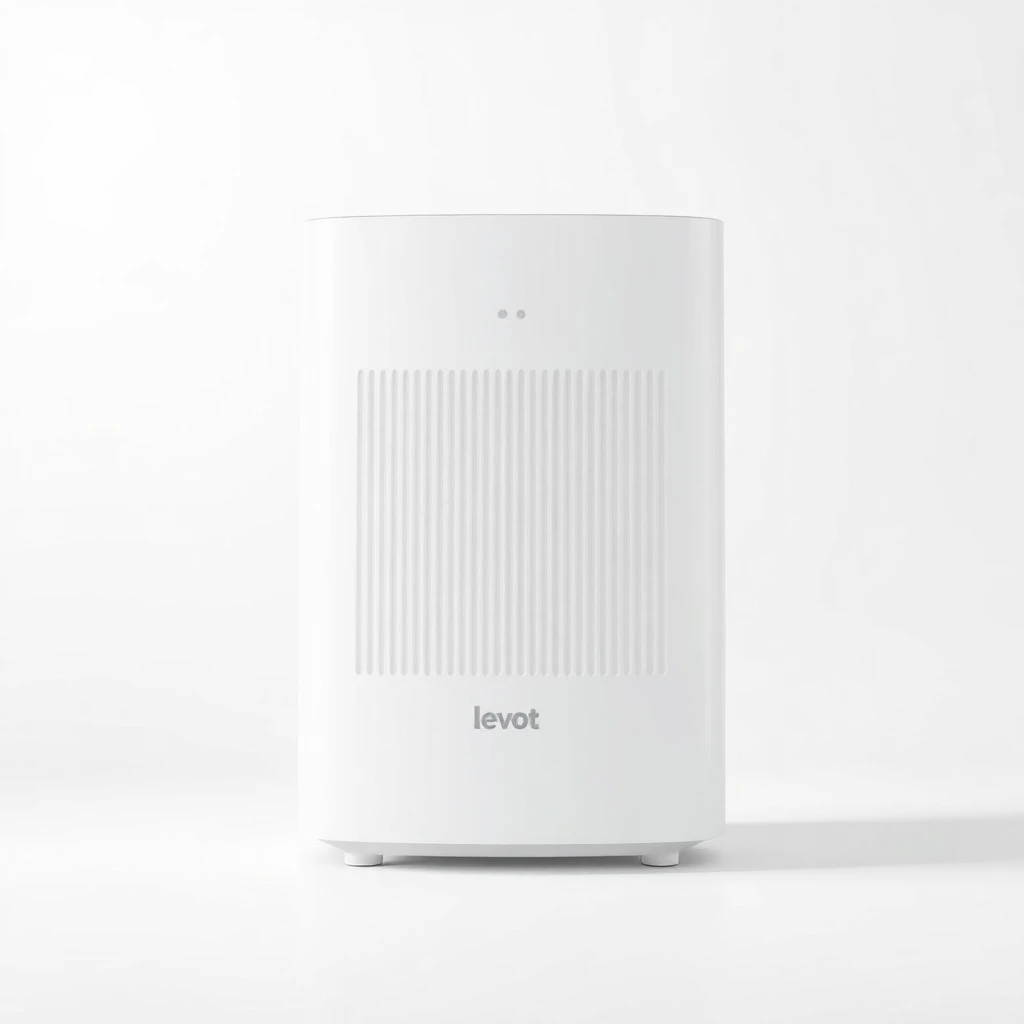
Excellent power reserve
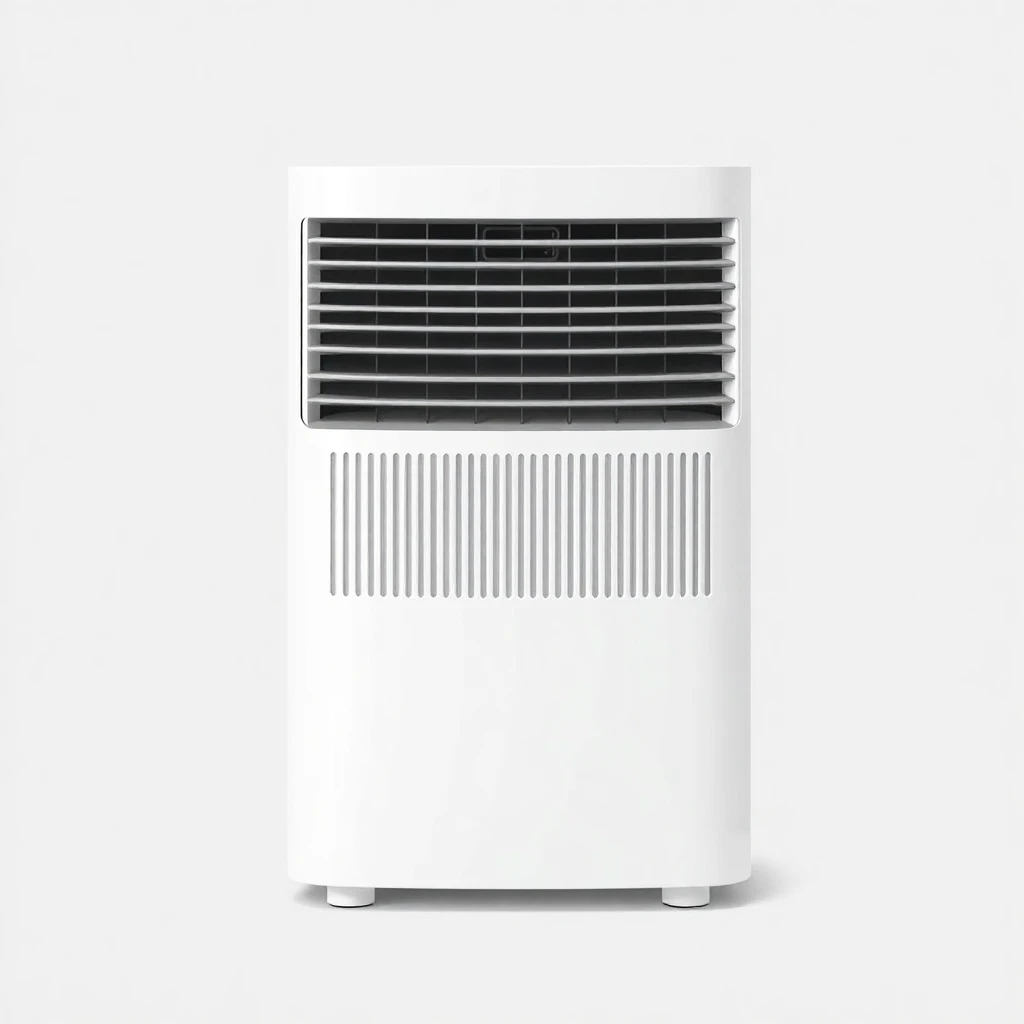
Excellent power reserve
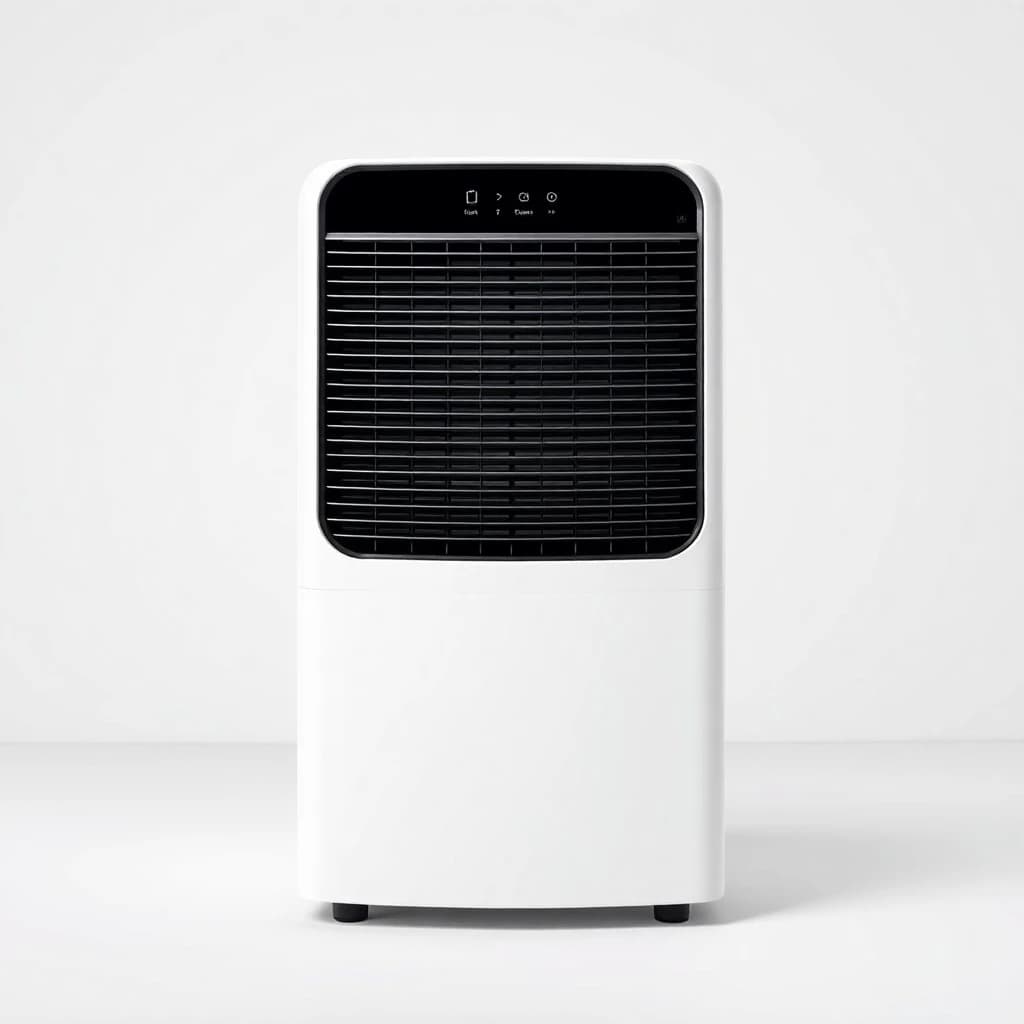
Solid all-rounder
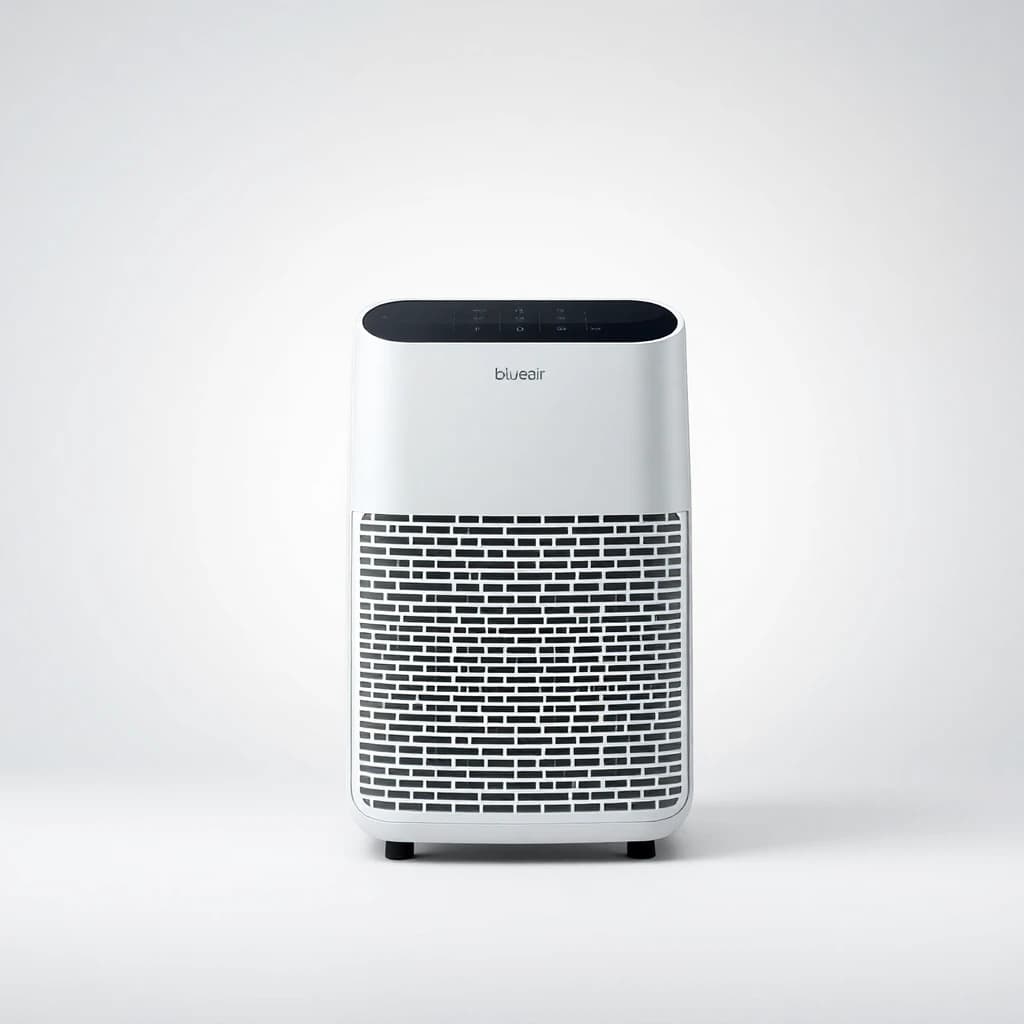
Solid all-rounder
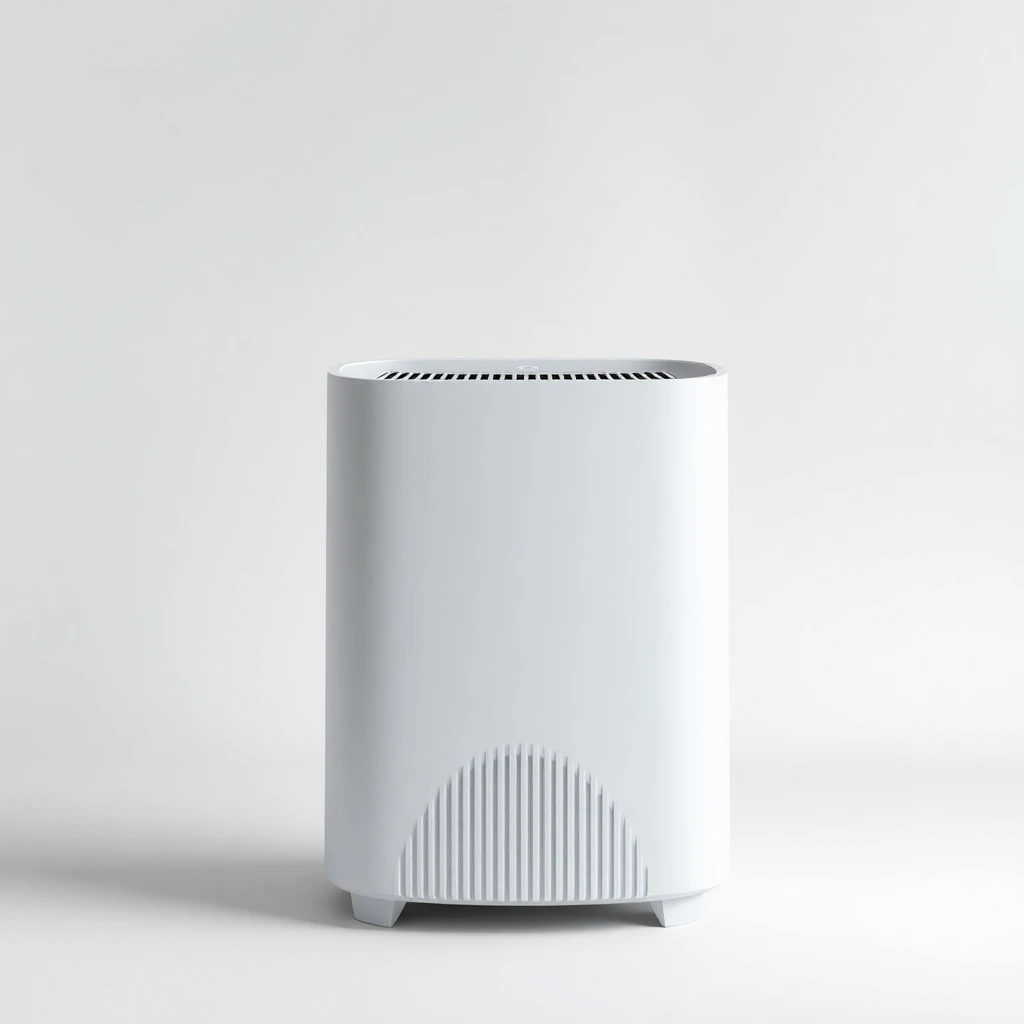
Solid all-rounder
Expert Guides on Mould & Spores
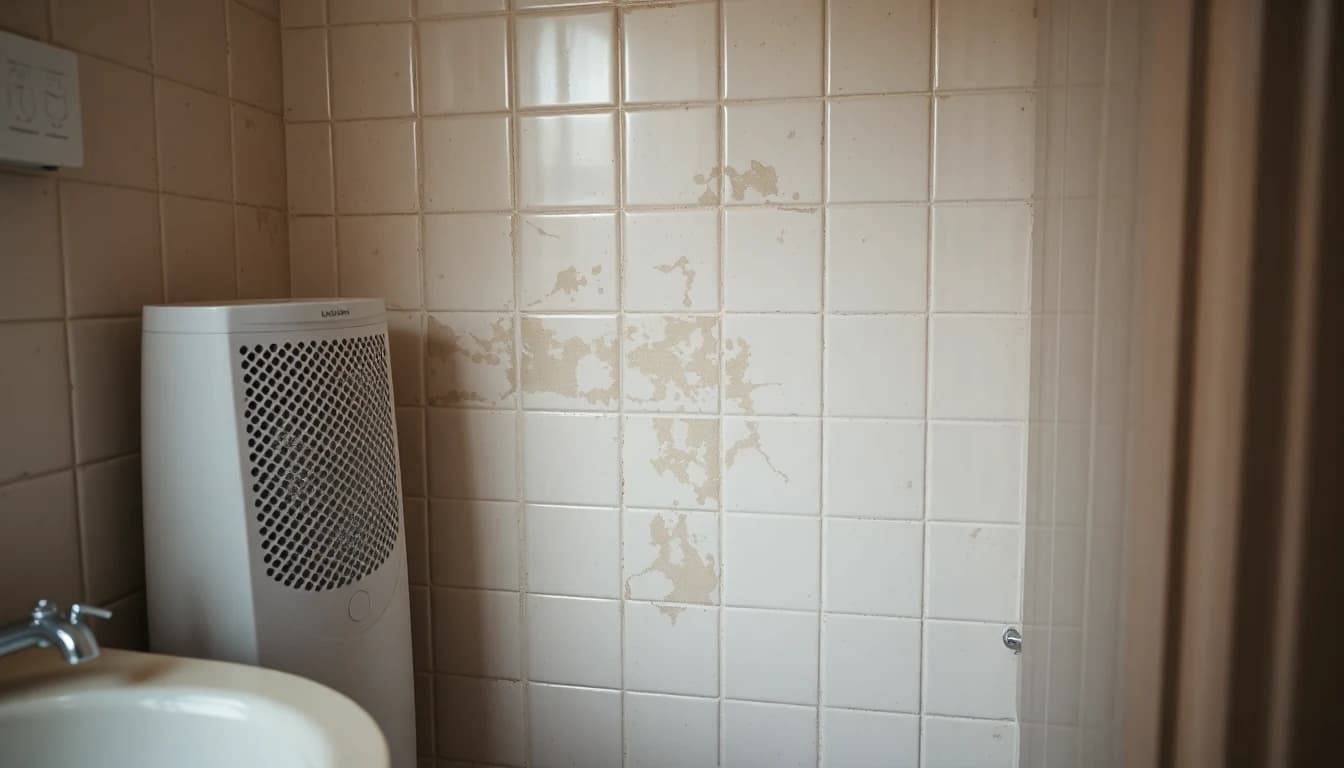
Do Air Purifiers Help with Damp and Mould?
Mould is a major issue in UK homes. Can an air purifier fix it, or do you need a dehumidifier? We explain the difference.
Air Purifier vs Dehumidifier: Which Do You Need?
Confused between the two? They solve very different problems. Here's how to decide which one your UK home actually needs — or whether you need both.
Best Air Purifier for Mould in a Bedroom UK (2026)
Waking up congested in a damp bedroom? Mould spores in your bedroom air are a serious health risk. Here's how to protect yourself while you sleep.
Related Review Hubs
Related problems
Explore other indoor-air issues—we use the same CADR and room-size logic on each hub.
Common Questions
?Do air purifiers kill mould?
No. They trap airborne spores preventing them from colonizing other areas, but they do not remove existing mould from walls.
?What filter do I need?
A True HEPA (H13) filter is essential. Avoid "HEPA-type" or lower grades which may let spores pass through.
?Will it stop mould returning?
It reduces the spread, but if humidity remains >60%, mould will likely return. Fix leaks and ventilation first.
?Is UV light necessary?
UV-C can neutralize spores in the unit, but a high-airflow HEPA filter is far more proven and effective for residential rooms.
?Best air purifier for damp rooms UK?
Choose a model with high CADR (250+ m³/h) and H13 HEPA. Pair with a dehumidifier for best results. Our mould hub ranks units by spore-clearing performance.
?Can an air purifier help with mould in bedroom?
Yes. Running a purifier with 4+ air changes per hour reduces airborne spores so you breathe fewer while you sleep. Fix the damp source as well.
Was this page helpful?