Expert Guide
Do You Need an Air Purifier More in Winter? UK Guide
Do You Need an Air Purifier More in Winter? UK Guide

Written By
David L.
Expert Review
Sarah K.
Fact Checked
James D.
Some links on this page may be affiliate links (including Amazon UK and AWIN). If you purchase through them, we may earn a commission at no extra cost to you. This helps support independent reviews. How we review.
Why Winter Is the Worst Season for Indoor Air Quality
Most people associate air pollution with summer smog and city streets. But for indoor air quality, winter is the more dangerous season in the UK. The reason is simple: in winter, we seal our homes. Double-glazed windows stay shut. Letterboxes get draught-proofed. The average UK home in January has less than 0.5 air changes per hour from natural ventilation — in summer the same home might achieve 3-4 air changes per hour through open windows. This means every pollutant generated inside the home — NO2 from gas cooking and boilers, VOCs from cleaning products and furnishings, mould spores from bathroom condensation, dust mite allergens from bedding — accumulates rather than dispersing. CO2 from breathing alone can reach cognitive-impact levels in a sealed bedroom overnight. The irony is that winter is also the season when most people's respiratory systems are already under additional stress from viral infections, cold air, and increased time spent indoors. Running an air purifier throughout winter is not a luxury — for allergy and asthma sufferers in particular, it is arguably the most important health intervention available for their indoor environment.
Gas Boilers: The Hidden Winter Pollutant
The vast majority of UK homes are heated by gas boilers. When a gas boiler fires, it produces NO2 as a combustion byproduct. Modern condensing boilers are more efficient and produce less NO2 than older models, but all gas boilers contribute some NO2 to indoor air when there is any flue leakage or when the boiler room is not fully sealed from the living space. Gas hobs in winter — used more frequently with windows closed — are a particularly significant source. Studies have found that cooking on a gas hob in a closed kitchen can temporarily raise indoor NO2 levels above outdoor roadside concentrations. An activated carbon filter in your purifier will help absorb this NO2. For households where someone has asthma or another respiratory condition, running a purifier on Auto Mode continuously throughout winter is strongly advisable.
Best Winter Purifier
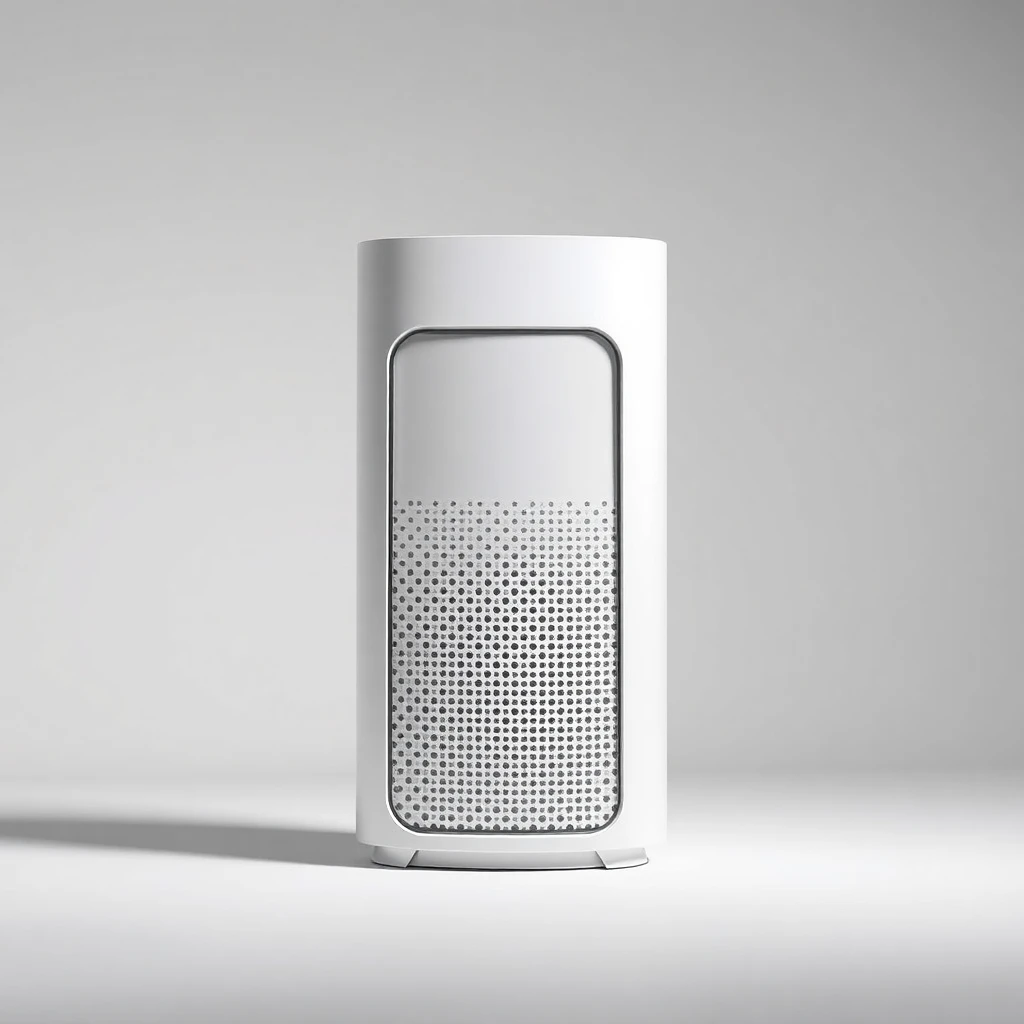
Winix Zero Pro
For winter use specifically, the Winix Zero Pro is our top pick. Its AOCT carbon stage handles the increased NO2 and cooking VOC load of a sealed winter home better than thin-sheet carbon alternatives, and its Auto Mode responds intelligently to cooking and cleaning events throughout the day.
Coverage
120 m²
Running Cost
£59 / yr
Winter Air Quality FAQs
Should I run my air purifier more in winter?expand_more
Does cold weather affect air purifier performance?expand_more
How do I ventilate my home safely in winter without letting in cold air?expand_more
Summary
Winter is the most important season for indoor air purification in the UK. Sealed homes trap every pollutant you generate. Run your purifier on Auto Mode throughout winter, ventilate briefly in the morning, and pay particular attention to carbon filtration if you have a gas hob or boiler.
Related Guides
Are Air Purifiers Actually Worth It in the UK?
With relatively clean outdoor air compared to some countries, do British homes really need air purifiers? The data might surprise you.
How Much Does It Cost to Run an Air Purifier in the UK? (2026)
Worried about your energy bill? We crunched the numbers on electricity and filter costs for the top UK models, based on the April 2026 Ofgem price cap.

HEPA vs Carbon Filters: What Do UK Homes Actually Need?
Confused by the jargon? We explain why you probably need both types of filter in your British home.
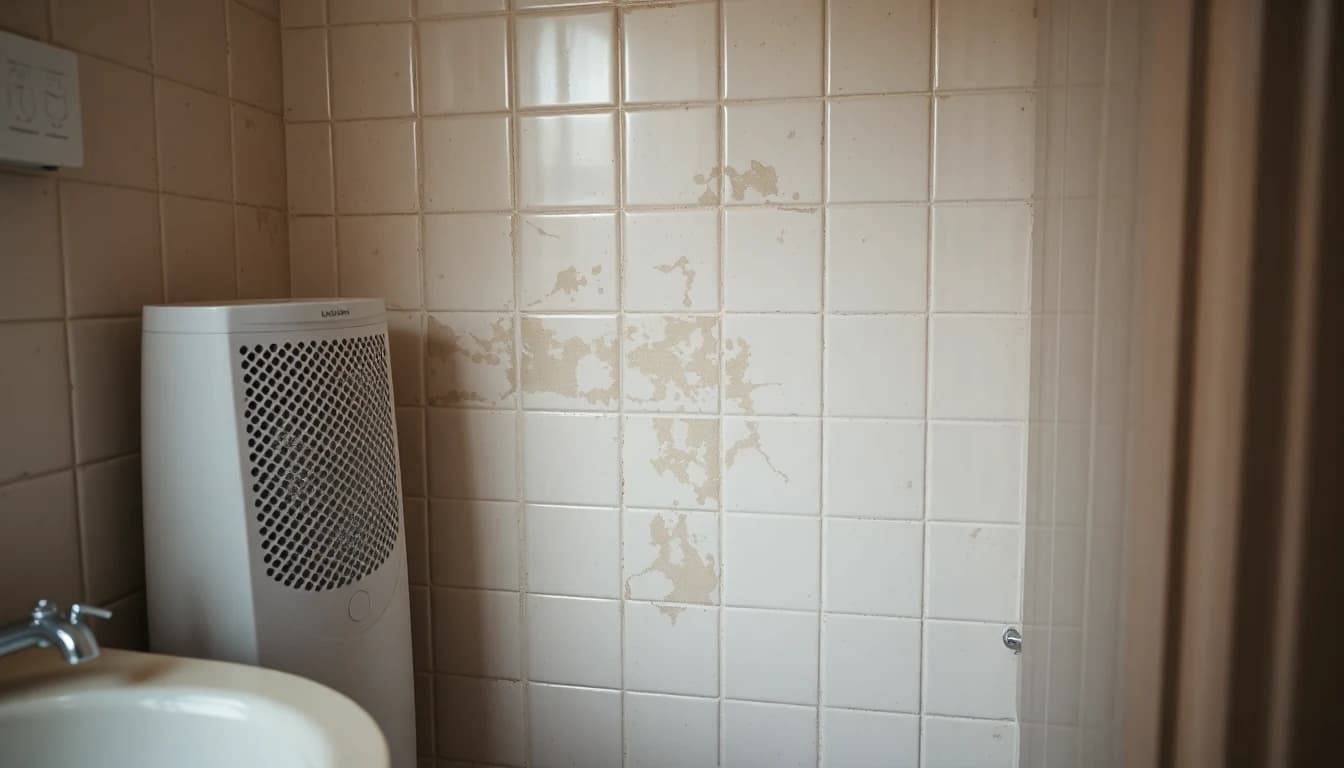
Do Air Purifiers Help with Damp and Mould?
Mould is a major issue in UK homes. Can an air purifier fix it, or do you need a dehumidifier? We explain the difference.
Continue Reading
Was this page helpful?
Ready to start filtering?
Our data lab is updated weekly with the latest UK air quality models. Supporting our work ensures we stay independent.