Expert Guide
Air Purifiers and Mould After Flooding: What UK Homeowners Need to Know
Air Purifiers and Mould After Flooding: What UK Homeowners Need to Know

Written By
Sarah K.
Expert Review
David L.
Fact Checked
James D.
Some links on this page may be affiliate links (including Amazon UK and AWIN). If you purchase through them, we may earn a commission at no extra cost to you. This helps support independent reviews. How we review.
Flooding and Mould: The UK Reality
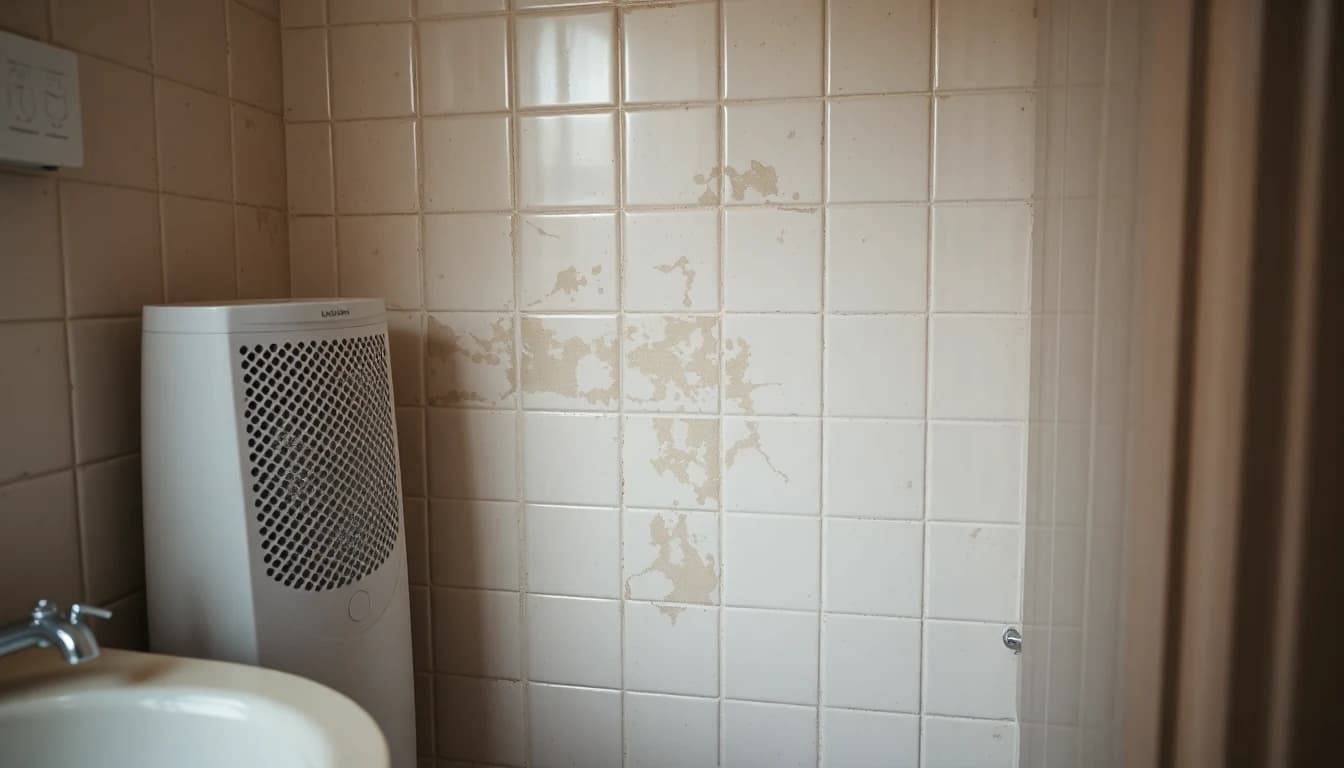
Flooding is an increasingly common event in the UK as climate patterns shift. The Environment Agency estimates that around 5.2 million UK properties are at risk of flooding. When a home floods, the subsequent mould problem begins within 24-48 hours if drying does not commence immediately. Mould requires moisture, a food source (building materials, wallpaper, furnishings), and warmth — all of which a flooded UK home provides in abundance. The mould species that colonise flood-damaged buildings include Stachybotrys chartarum (black mould), Aspergillus, and Penicillium — some of which produce mycotoxins that cause serious health effects including respiratory damage, neurological symptoms, and in severe cases, lung haemorrhage in vulnerable individuals. The airborne spore concentrations in a flood-damaged home during remediation work can be thousands of times higher than in a normal indoor environment. In this context, a consumer air purifier plays a specific, limited role: it can reduce ambient airborne spore concentrations during and after remediation, but it cannot substitute for professional mould remediation, structural drying, and removal of contaminated materials.
The Correct Order of Operations
After a flooding event, the priority order for addressing mould is: first, remove standing water and saturated materials as rapidly as possible using professional water extraction equipment. Second, deploy industrial dehumidifiers (not consumer units — hire professional-grade equipment through a flood restoration company) to achieve structural drying of walls, floors, and ceilings. Third, remove and dispose of mould-contaminated materials that cannot be dried and cleaned — plasterboard, insulation, carpets, and soft furnishings typically cannot be saved once significantly mould-contaminated. Fourth, treat remaining surfaces with appropriate biocidal products. Fifth, during all remediation work, use HEPA-filtered air scrubbers (professional units that move large volumes of air through HEPA filters — hire from flood restoration companies). Finally, once the home is dried and remediated, run consumer-grade HEPA air purifiers to maintain clean air quality during reoccupation and monitor for any recurring mould development.
Best Consumer Purifier for Post-Flood Recovery
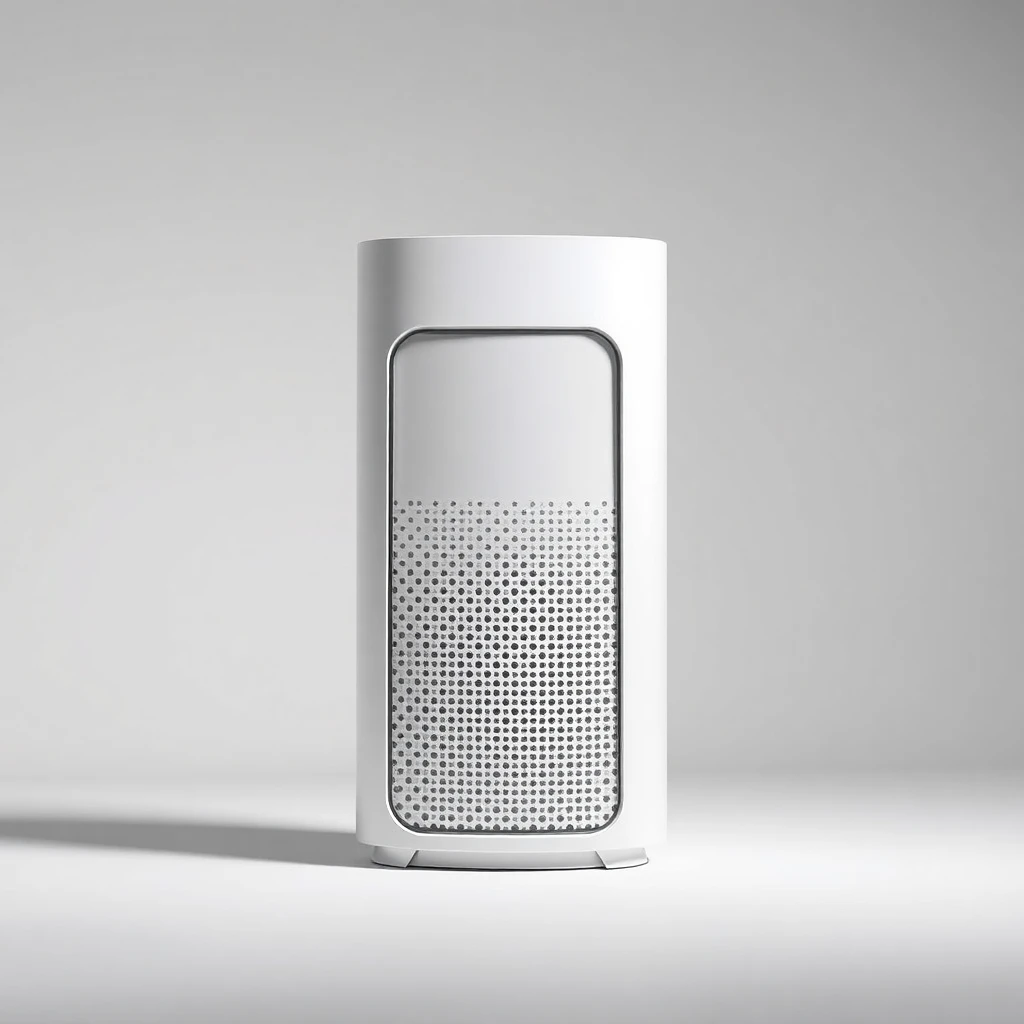
Winix Zero Pro
During post-flood reoccupation, the Winix Zero Pro provides the best combination of HEPA particle capture and active neutralisation of residual mould spores. Run it continuously in the most recently affected rooms and replace the filter every 3 months initially given the elevated spore load.
Coverage
120 m²
Running Cost
£59 / yr
Post-Flood Mould FAQs
Can an air purifier remove mould after flooding?expand_more
Is it safe to stay in a flood-damaged home?expand_more
How long after flooding does mould become dangerous?expand_more
Summary
Air purifiers are a recovery tool in post-flood mould management, not a primary remediation solution. Professional drying, material removal, and biocidal treatment must come first. The **Winix Zero Pro** is the strongest consumer unit for post-remediation air quality management during reoccupation.
Related Guides
Do Air Purifiers Help with Damp and Mould?
Mould is a major issue in UK homes. Can an air purifier fix it, or do you need a dehumidifier? We explain the difference.
Best Air Purifier for Mould in a Bedroom UK (2026)
Waking up congested in a damp bedroom? Mould spores in your bedroom air are a serious health risk. Here's how to protect yourself while you sleep.
Air Purifier vs Dehumidifier: Which Do You Need?
Confused between the two? They solve very different problems. Here's how to decide which one your UK home actually needs — or whether you need both.
What Is PM2.5 and Why Does It Matter in Your Home?
PM2.5 is the air pollutant most strongly linked to health harm — and UK homes can have dangerously high levels. Here's what it is and how to tackle it.
Continue Reading
Related Guides
Problem Hubs
Was this page helpful?
Ready to start filtering?
Our data lab is updated weekly with the latest UK air quality models. Supporting our work ensures we stay independent.