Expert Guide
Do Air Purifiers Reduce COVID and Virus Risk in UK Homes?
Do Air Purifiers Reduce COVID and Virus Risk in UK Homes?

Written By
David L.
Expert Review
Sarah K.
Fact Checked
James D.
Some links on this page may be affiliate links (including Amazon UK and AWIN). If you purchase through them, we may earn a commission at no extra cost to you. This helps support independent reviews. How we review.
The Science: HEPA and Airborne Viruses
The COVID-19 pandemic prompted significant research into the role of air purification in reducing airborne virus transmission. The scientific consensus that emerged — endorsed by the WHO, SAGE, and NERVTAG in the UK — is that COVID-19 and similar respiratory viruses spread primarily through airborne aerosols in indoor settings. HEPA filters are effective at capturing virus-containing aerosol particles. Individual SARS-CoV-2 virus particles are approximately 0.1 microns in diameter — technically below the 0.3 micron MPPS rating of HEPA filters. However, viruses do not travel through the air as individual particles. They travel attached to respiratory aerosol droplets that are typically 0.3-10 microns in size, and virus-laden aerosols are captured by H13 HEPA at 99.95% efficiency. Multiple peer-reviewed studies published since 2020 have demonstrated meaningful reductions in airborne virus concentrations using HEPA air purifiers in enclosed spaces. The NHS and SAGE have both acknowledged the role of portable HEPA purifiers in improving indoor air safety in schools, healthcare settings, and homes. The key caveat is that an air purifier reduces risk — it cannot eliminate it, and ventilation (fresh outdoor air dilution) remains the primary recommended control for airborne infection in indoor settings.
Practical Implications for UK Homes
For a household where a member has a respiratory infection, or for a high-risk individual (elderly, immunocompromised, severe asthma) who wants to reduce their exposure to circulating viruses, a HEPA air purifier provides a meaningful risk reduction layer. Run it continuously in the rooms the infected person occupies, with the door closed to concentrate the filtration effect. Place the purifier between the infected person and uninfected household members where possible. A higher CADR provides faster reduction of airborne viral aerosol concentrations — aim for 5-6 air changes per hour in a sick room, which for a typical 15 m² bedroom requires a CADR of around 200 m³/h minimum. UV-C technology integrated into some purifiers (like certain Philips models) provides additional viral inactivation beyond mechanical filtration. This remains a secondary measure — running on HEPA alone is the primary filtration mechanism.
Best for Viral Aerosol Reduction
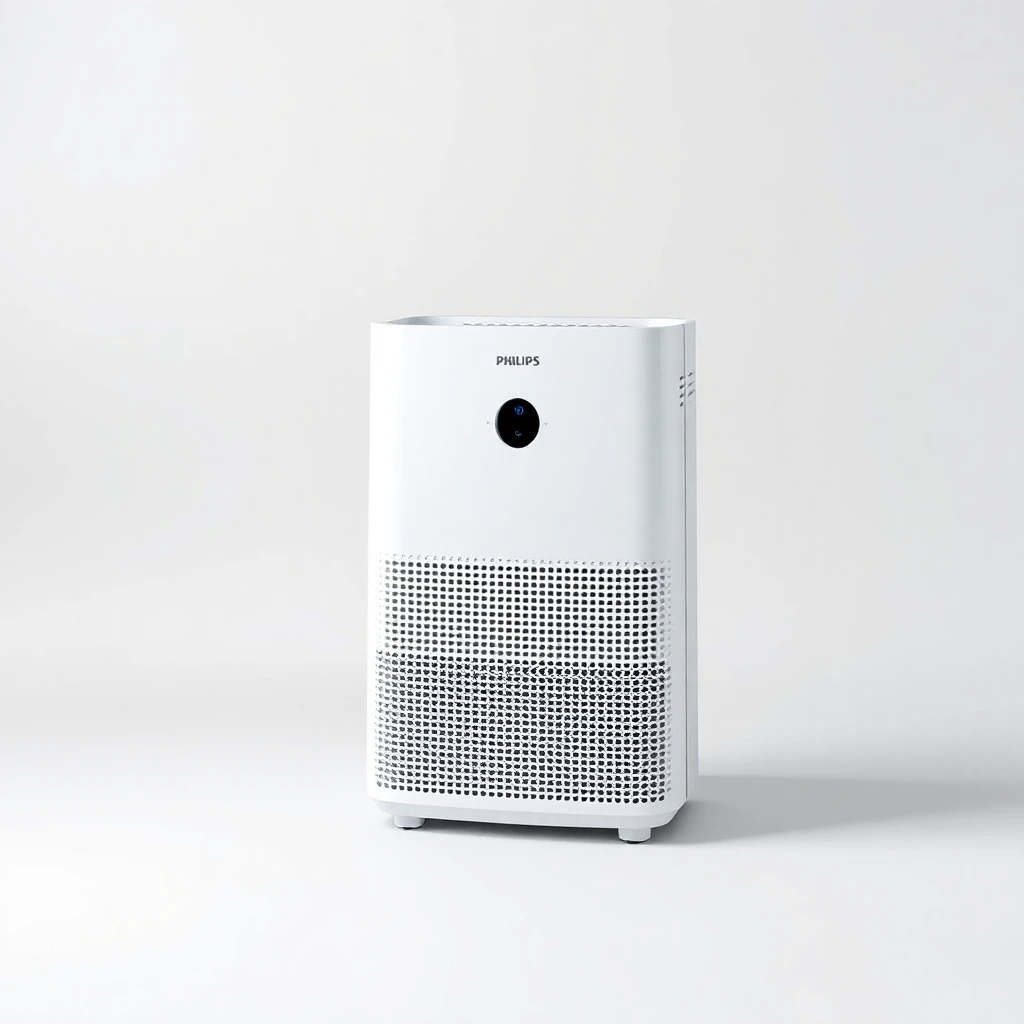
Philips Series 3000i Connected
The Philips Series 3000i with its high CADR, H13 HEPA, and ECARF certification provides strong aerosol capture performance with the additional credibility of independent clinical certification. For a household with an immunocompromised member, the independently verified performance data provides meaningful reassurance.
Coverage
135 m²
Running Cost
£50 / yr
Air Purifiers and Viruses FAQs
Do air purifiers protect against COVID-19?expand_more
What CADR do I need to reduce virus risk in a bedroom?expand_more
Does UV-C in an air purifier kill viruses?expand_more
Summary
HEPA air purifiers meaningfully reduce airborne viral aerosol concentrations in indoor spaces. They are a legitimate and recommended risk reduction tool, particularly for high-risk individuals. Pair with ventilation — open windows when outdoor air quality allows — as the combined approach is more effective than either alone.
Related Guides
What Is PM2.5 and Why Does It Matter in Your Home?
PM2.5 is the air pollutant most strongly linked to health harm — and UK homes can have dangerously high levels. Here's what it is and how to tackle it.
HEPA 13 vs HEPA 14: Does the Grade Actually Matter?
Manufacturers love to shout about "H14" filtration. But does the upgrade over H13 make a real difference in your home? We cut through the marketing.
Are Air Purifiers Actually Worth It in the UK?
With relatively clean outdoor air compared to some countries, do British homes really need air purifiers? The data might surprise you.
Do Air Purifiers Produce Ozone? What UK Buyers Must Know
Some air purifiers emit ozone as a byproduct — a gas that can damage your lungs. Here's how to identify safe models and which technologies to avoid.
Continue Reading
Was this page helpful?
Ready to start filtering?
Our data lab is updated weekly with the latest UK air quality models. Supporting our work ensures we stay independent.